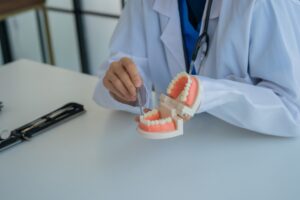

Is getting veneers safe? Yes — porcelain veneers can be safe when placed by an experienced dentist, but the treatment is permanent and has specific risks and side effects you should know. This article previews the main risks, common side effects, who makes a good candidate for porcelain veneers in Chaska, MN, how to lower your risks, and when to contact a dentist.
Is Veneers Safe? A Short Answer
Porcelain veneers are generally safe when done by a skilled dentist using modern planning tools, but they are irreversible because some enamel is removed. Patients should weigh cosmetic benefits against the long-term commitment and potential complications.
What Are Dental Veneers?
Veneers are thin shells bonded to the front of teeth to change their appearance. There are two common types:
- Porcelain veneers: Strong, stain-resistant, long-lasting, made in a lab.
- Composite veneers: Built or bonded directly by the dentist, require less tooth removal and are easier to repair.
Veneers address cosmetic issues like:
- Discolored or stained teeth
- Irregular shapes or worn teeth
- Small gaps or minor crowding
- Teeth that are slightly misaligned
Basic steps for porcelain veneers include tooth preparation (small enamel removal), impressions or digital scans, lab fabrication or in-office CAD/CAM milling, and final bonding/placement.
Main Risks & Side Effects
Enamel removal and permanence
Porcelain veneers usually require removing a thin layer of enamel to create room for the shell. That makes the procedure permanent — you can’t return the tooth to its untouched state later. Deeper prep increases risk of long-term sensitivity and need for future restorations.
Tooth sensitivity
Sensitivity is common right after prep and bonding and usually fades in days to weeks. If the prep exposes dentin or is very deep, sensitivity may persist and require treatments like bonding, a crown, or root canal therapy.
Gum irritation and esthetic mismatch
Gums may be temporarily inflamed after veneer placement. Over time, gum recession can reveal margins and change appearance. Color or shape may also look off if the lab work, bonding, or planning is not precise.
Chipping, cracking, and bonding failure
Veneers can chip or crack. Behaviors that increase risk include:
- Grinding or clenching (bruxism)
- Biting hard objects (ice, pens, shells)
- Nail or pencil biting
Minor chipping on porcelain usually requires replacement of the veneer. Composite repairs are easier but less durable.
Decay and underlying tooth problems
Poorly fitting veneers or undetected decay under a veneer can lead to larger problems that require crowns, root canals, or extractions. Regular checks are important to catch decay early.
Who Is a Good Candidate?
Good candidates for porcelain veneers in Chaska, MN typically have healthy teeth and gums, minimal decay, and realistic cosmetic goals. Veneers are best for surface-level cosmetic fixes, not severe bite problems or large cavities. Alternatives to consider include crowns (for heavily restored teeth), composite bonding (for conservative fixes), or orthodontics (for alignment issues).
How to Reduce Your Risk
Choose an experienced dentist and digital planning
Pick a dentist with cosmetic training and a strong portfolio of veneer cases. Digital tools like intraoral scans, digital smile design, and mock-ups make results more predictable. Ask for before-and-after photos and patient reviews for porcelain veneers in Chaska, MN.
Conservative prep and material choice
Less invasive prep preserves enamel and lowers sensitivity risk. Consider material trade-offs:
- Porcelain: Better longevity and stain resistance but usually needs more prep.
- Composite: Conserves more tooth structure and allows easier repairs, but may stain sooner.
Protective measures
Use a nightguard if you grind, avoid chewing very hard foods, quit risky habits, and keep regular dental exams so problems are caught early.
Aftercare, Longevity, and When to Seek Help
Maintain good oral hygiene, avoid whitening pastes that won’t affect veneers, and clean around margins carefully. Porcelain veneers typically last 10–15 years or longer with good care; composite veneers often need replacement sooner. See your dentist if you have persistent pain, a loose or cracked veneer, sensitivity that worsens, or gum swelling.
Choosing Where to Get Porcelain Veneers in Chaska, MN
When selecting a clinic for porcelain veneers in Chaska, MN, evaluate:
- Before-and-after photos and real patient reviews
- Provider training in cosmetic dentistry and veneer cases
- Use of digital tools like CEREC, digital smile design, or CBCT for planning
- Comfort options like sedation if you feel anxious
About Relaxation Dentistry in Chaska, MN
Relaxation Dentistry offers porcelain veneers in Chaska, MN with a focus on comfort and predictable outcomes. Led by Dr. Jenny Ruoho and Dr. Mike Rohlf, the office uses advanced tech such as CEREC same-day milling, CBCT imaging, guided workflows, and multiple sedation options to improve accuracy and patient comfort. The practice emphasizes training, gentle care, and a calming office experience.
Short Closing / Call to Action
Porcelain veneers are generally safe with a skilled dentist — schedule a consultation to review your risks and cosmetic options for porcelain veneers in Chaska, MN.