
Dental implants are artificial tooth roots—usually titanium posts—placed in the jaw to hold replacement teeth. They have very high long-term success rates and can feel and work like natural teeth. This post looks honestly at the downsides of dental implants and sets realistic expectations for people considering treatment. If you’re exploring dental implants in Chaska, MN, you’ll find the common risks, who is more likely to face complications, and ways modern dentistry lowers those risks.
We’ll cover costs, healing time, infection risk, prosthetic maintenance, and when implants may not be the best choice. At the end, you’ll learn how Relaxation Dentistry helps patients get safer, more comfortable outcomes for dental implants in Chaska, MN.
Common downsides of dental implants
High upfront cost
Dental implants cost more than bridges or dentures because they involve surgery, lab work, and custom restorations. Typical price ranges vary, but a single implant with a crown often runs from about $3,000–$6,000. Full-arch solutions or multiple implants can be $20,000 or more. Bone grafts, sinus lifts, and extractions add several hundred to several thousand dollars, depending on complexity. Insurance may cover part of the restoration but rarely covers the full implant system.
Surgical risks and healing time
Implant placement is a surgical procedure. Risks include bleeding, swelling, pain, and nerve irritation or numbness in rare cases. Healing often takes weeks to months: the implant must integrate with bone (osseointegration) before the final crown or bridge is placed. Expect several appointments and a recovery period that varies by patient and procedure.
Bone loss and need for grafting
After a tooth is lost, the jawbone often shrinks. Long-term tooth loss can leave too little bone to support an implant. In those cases, a bone graft or sinus lift may be required before implants can be placed. That adds time, cost, and a separate healing phase.
Infection and peri-implantitis
Peri-implantitis is an infection of the tissues around an implant and can lead to bone loss and implant failure if not treated. Warning signs include red or bleeding gums, swelling, pain around the implant, pus, or loosening of the restoration. Good oral hygiene and early treatment are essential to protect implants.
Prosthetic issues and maintenance
Implant crowns, abutments, and screws can wear, chip, or loosen over time. Parts may need replacement or adjustment. Regular dental visits, careful home care, and avoiding habits that stress teeth (like chewing ice or opening packages with your teeth) reduce problems. Expect ongoing maintenance costs over the life of the implant.
Aesthetic or functional disappointments
Sometimes gums recede, exposing implant edges or changing the look of the tooth. Color or shape may not perfectly match remaining teeth. Bite changes or adjustments to chewing can occur after placement. Proper planning minimizes these issues, but perfect results aren’t guaranteed.
Who is more likely to face these downsides with dental implants in Chaska, MN
Health and lifestyle risk factors
Certain conditions raise the chance of complications with dental implants in Chaska, MN. These include:
- Smoking or tobacco use
- Uncontrolled diabetes
- Bruxism (teeth grinding)
- Poor oral hygiene or active gum disease
- Heavy alcohol use or certain medications that affect healing
Anatomy and timing
People who have had a tooth missing for many years, small jaw size, thin gums, or prior infections at the site may need extra procedures before implants. Those anatomical limits raise cost and complexity and sometimes make implants a less predictable option.
How modern dentistry reduces the downside of dental implants in Chaska, MN
Better planning and imaging
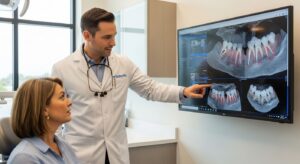
CBCT scans (3D imaging) and guided implant surgery let dentists plan placement precisely. That reduces surprises, avoids vital structures, and improves implant positioning for better long-term outcomes.
Advanced materials and same-day tech
High-quality implant systems, CAD/CAM design, and CEREC same-day restorations speed treatment and improve fit. Same-day crowns can reduce the number of visits and temporary restorations, helping patients leave with a finished tooth sooner when appropriate.
Pain control and comfort
Modern sedation options—nitrous oxide, oral sedation, and IV sedation—along with laser tools, help reduce pain, anxiety, and bleeding. Better pain control supports smoother recoveries and a more positive experience for patients receiving dental implants in Chaska, MN.
When dental implants might not be the best choice
Short-term or low-budget needs
If you need a quick, temporary fix or must stay on a tight budget, bridges, removable partials, or conventional dentures can be reasonable and cost-effective alternatives. They avoid surgery and typically cost much less up front.
Medical or anatomical limits
Some medical conditions, severe bone loss, or anatomy that would require extensive grafting may make alternatives safer or more predictable than implants. A careful exam and imaging will clarify whether implants are realistic for you.
How Relaxation Dentistry addresses the downside of dental implants
Experienced doctors and tech
Relaxation Dentistry brings experienced clinicians and advanced tools to lower implant risks. Dr. Jenny Ruoho and Dr. Mike Rohlf use CBCT imaging, guided implant surgery, CEREC same-day restorations, and proven implant systems to plan and place implants more predictably. Their training focuses on safe, evidence-based care.
Comfort-first approach
The practice emphasizes patient comfort with spa-like amenities, multiple sedation choices (including IV when needed), and laser dentistry that can reduce pain and speed healing. This comfort-first model helps patients tolerate procedures and recover more smoothly after dental implants in Chaska, MN.
If you’re worried about the downsides of dental implants, schedule a consultation to review your health, imaging, and options. A personalized plan can compare risks, costs, and alternatives so you can choose the best path—whether that’s dental implants in Chaska, MN or another solution that fits your needs and budget.