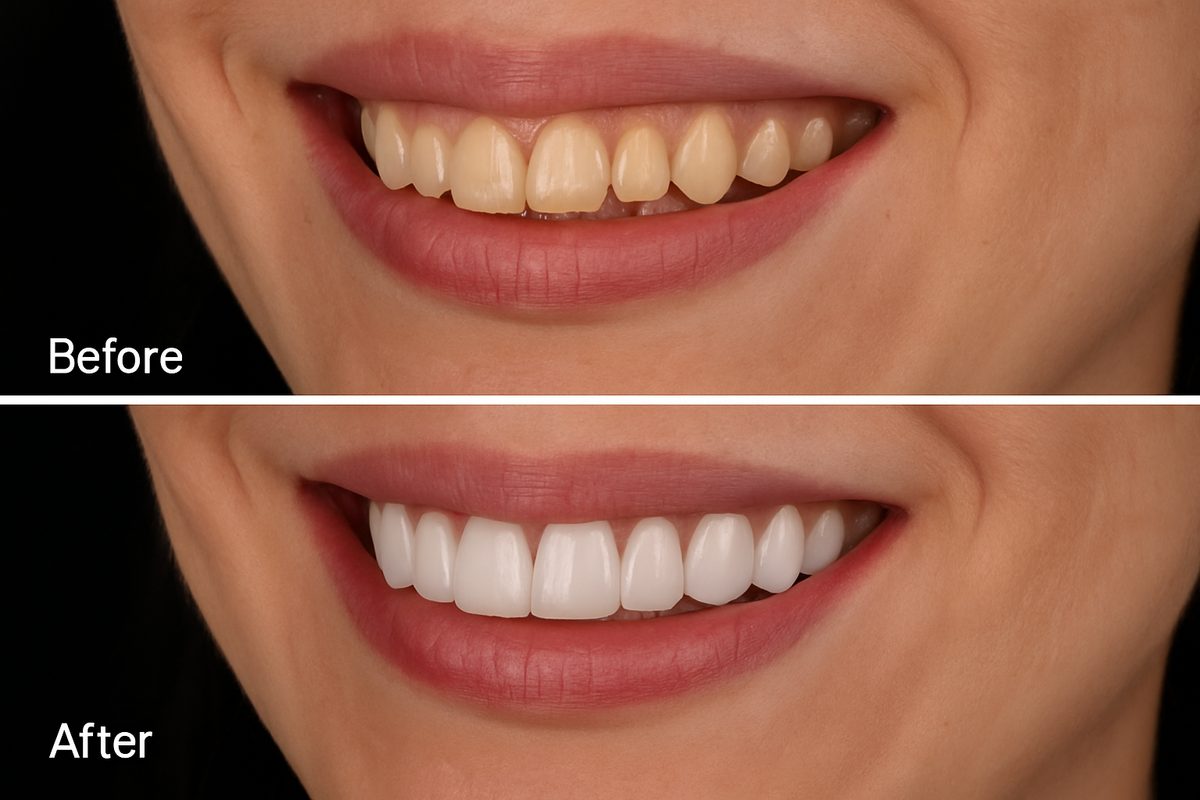
If you’ve asked “how do veneers work on teeth,” here’s a simple answer: porcelain veneers are thin shells bonded to the front of teeth to change their color, shape, size, or spacing. People choose veneers to mask stains, chips, gaps, or mild misalignment and to create a consistent, natural-looking smile. If you’re in Chaska, MN and wondering how do veneers work on teeth in Chaska, MN, this guide breaks down the science, the steps, and what to expect.
What are porcelain veneers?
Porcelain veneers are custom-made, wafer-thin covers that attach to the front surface of teeth. Unlike composite veneers, which are sculpted directly on the tooth, porcelain veneers are fabricated in a lab or milled in-office. Porcelain is prized for its lifelike translucency, strength, and resistance to staining. Common cosmetic goals include changing tooth color, closing small gaps, repairing chips, and altering tooth shape.
The science behind how veneers bond to teeth
Enamel preparation and micromechanical bonding
To bond veneers, the dentist removes a tiny amount of enamel—usually less than a millimeter—to make room. The tooth surface is etched with an acid gel to create microscopic roughness. A bonding resin flows into those tiny crevices and, when cured with a light, forms a strong micromechanical bond that keeps the veneer attached.
Porcelain properties that mimic natural teeth
Porcelain reflects and transmits light similarly to natural enamel, giving veneers a realistic look. It’s also dense and durable, resisting chips and stains better than composite. Properly made and bonded porcelain veneers look like natural teeth while standing up to daily use.
Digital design and precision fit
Digital scans or CEREC systems capture exact tooth shapes. CAD/CAM design and lab fabrication ensure precise margins and a snug fit. A precise fit reduces gaps where bacteria can collect and helps the veneer last longer.
Step-by-step veneer procedure
Consultation and smile design
Expect photos, a dental exam, shade selection, and discussion of goals. Mock-ups or digital previews show how veneers might change your smile.
Tooth preparation and impressions (or digital scan)
The dentist performs minimal reshaping and takes impressions or a digital scan. These records guide the lab or in-office milling process.
Temporary veneers versus same-day CEREC option
If lab-made veneers are used, temporary covers protect teeth while the permanent ones are made. With CEREC milling, some offices can design and place restorations the same day.
Bonding appointment and final adjustments
At bonding, the dentist tries the veneers, makes small adjustments, then etches, applies bonding agent, and cures the resin. Final polishing ensures a natural finish.
Who is a good candidate?
Good candidates have healthy gums and adequate enamel. Veneers suit discolored, chipped, worn, or slightly crooked teeth. They’re not ideal for active decay, severe bite problems, or heavy grinders without additional protection.
Benefits and limitations of porcelain veneers
Benefits: very natural appearance, stain resistance, conservative tooth removal. Limitations: higher cost, permanent enamel removal, and limited repair options compared with bonding.
Care and expected lifespan
Daily care and habits
Brush twice, floss daily, avoid biting very hard objects, and wear a night guard if you grind.
When to see your dentist
See your dentist for chips, looseness, or gum irritation. With good care, veneers often last 10–15+ years.
Alternatives to veneers
Other options include composite bonding, crowns, professional whitening, or orthodontics. Your dentist can recommend the best choice based on health and goals.
Why choose Relaxation Dentistry for veneers?
Relaxation Dentistry in Chaska offers CEREC same-day options, advanced digital planning, and gentle sedation choices. Dr. Jenny Ruoho and Dr. Mike Rohlf combine esthetic skill with comfort-focused care to make veneer treatment predictable and relaxed.
Curious whether veneers are right for you? Schedule a consultation at Relaxation Dentistry to discuss options, see digital previews, and get a personalized plan. If you’ve wondered how do veneers work on teeth in Chaska, MN, come in and get clear answers.