
A missing tooth means more than a gap in your smile. It can change how you chew, speak, and even how your jaw looks over time. Choosing the right replacement matters for chewing efficiency, clear speech, bone health, and appearance. This article outlines your main options for a missing tooth and how to decide which fits your health, budget, and goals.
What happens if you leave a gap?
If you leave a space, the bone where the tooth sat slowly shrinks. Neighboring teeth can tip or shift, changing your bite and increasing wear on other teeth. That can lead to pain, more chewing problems, and higher risk of decay or gum disease. It’s best to get evaluated sooner rather than later to avoid bigger treatment later.
Common options for a missing tooth
Dental implant (implant + crown)
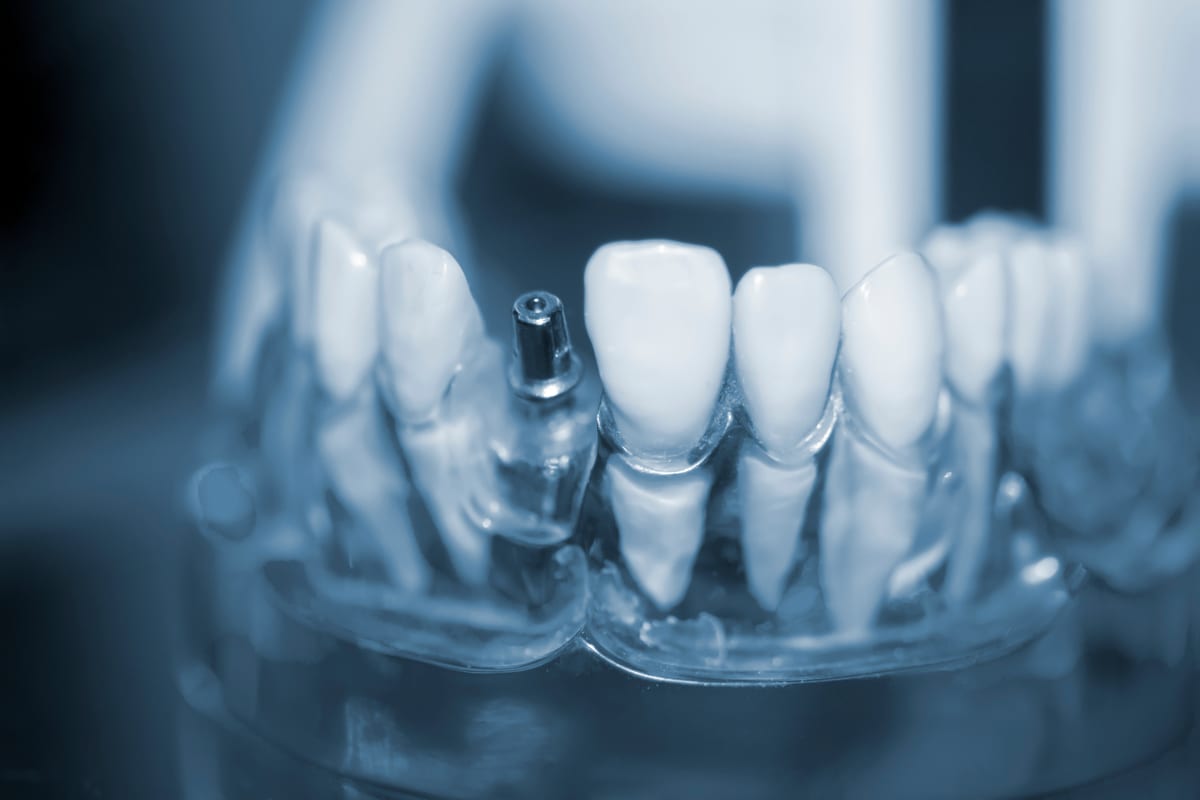
A dental implant is a titanium post placed into the jawbone to act like a tooth root, with a crown attached on top. Benefits include long-term durability, natural bite feel, and preservation of bone. Typical timeline: implant placement, several months of healing while bone bonds to the implant, then the crown is placed. Some cases allow faster timelines with guided planning.
Fixed dental bridge
A fixed bridge replaces the missing tooth by anchoring a false tooth to adjacent teeth. It’s faster and avoids surgery, but nearby healthy teeth usually need to be shaped to hold the bridge. Bridges don’t stop bone loss at the missing site and may need replacement after years.
Removable partial denture
A removable partial denture clips onto nearby teeth and can replace one or more teeth. It’s often the most affordable option and is easy to repair or adjust. Downsides include being removable for cleaning, possible changes in speech or comfort, and less natural chewing strength.
Choosing to do nothing
Skipping replacement may seem simple short-term, but risks grow over time: bone loss, shifting teeth, and bite problems. For most people, doing nothing is not recommended beyond a short period.
How to choose between these options
Oral health and bone volume
Enough bone and healthy gums are key for implant success. If bone is low, grafting may be needed. Bridges and dentures rely more on the condition of neighboring teeth.
Budget and insurance
Implants are often more expensive upfront but last longer. Bridges and dentures cost less initially but may need more work over time. Insurance varies—some cover parts of bridges or dentures, and implants may have partial coverage. Ask about financing options.
Time, recovery, and lifestyle
Implants require surgery and healing time; bridges and dentures are quicker with less recovery. Consider your schedule, tolerance for surgery, and how much maintenance you want.
Cosmetic goals and function
If you want the most natural look and chewing function, implants often score highest. Bridges and well-made dentures can also look great but may feel different.
How modern dental technology affects outcomes
CBCT imaging, guided implant surgery, and CEREC same-day restorations improve precision, reduce visits, and speed recovery. Digital planning helps avoid surprises, and sedation options can make procedures comfortable for anxious patients.
When a dental implant may be the right choice
Good candidates typically have: – Overall good health and healthy gums; – Sufficient bone at the site or are willing to have grafting; – A desire for a long-term, permanent solution; – Willingness to follow a multi-step treatment plan and healing timeline.
Next steps and what to expect at your consultation
Your exam will include a medical and dental history review, X-rays or CBCT imaging, and a discussion of options and costs to create a personalized plan. Relaxation Dentistry in Chaska, MN offers implants, CBCT, CEREC, guided implant surgery, and sedation options to make care more comfortable.
If you’re ready to learn which option fits you, schedule an exam to discuss options for a missing tooth in Chaska, MN and get a personalized treatment plan.