
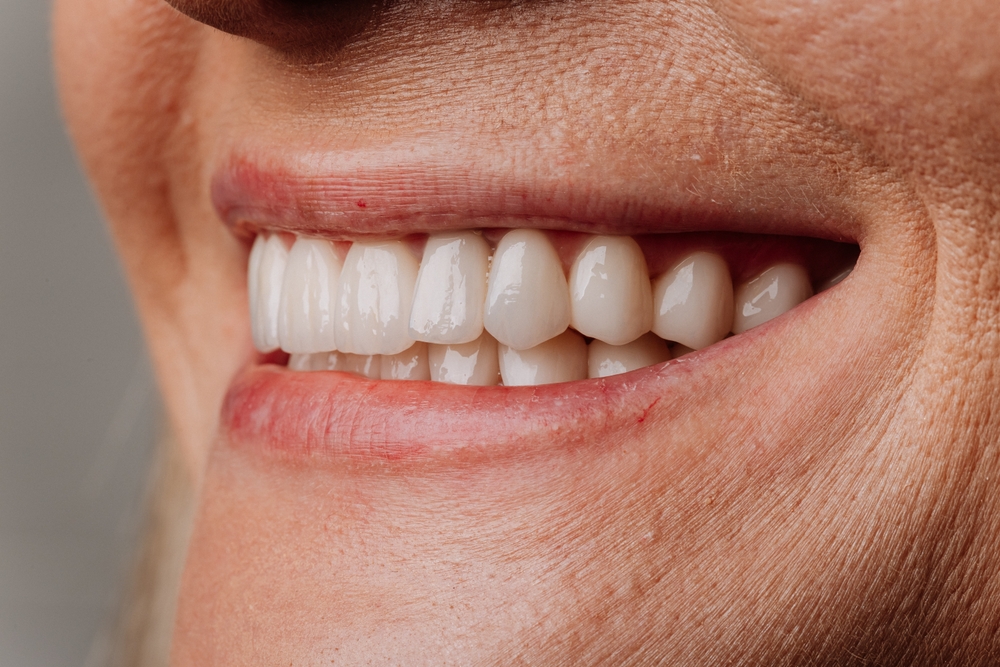
Porcelain veneers are thin shells of ceramic bonded to the front of teeth to improve color, shape, and strength. This guide will help you spot good vs bad veneers so you can make a smart choice and avoid problems down the road—especially if you’re researching good vs bad veneers in Chaska, MN.
What Are Porcelain Veneers?
Porcelain veneers cover the visible front of teeth to change color, size, or alignment. They differ from composite bonding, which uses tooth-colored resin applied directly, and from crowns, which cap the entire tooth. Veneers are chosen for a natural look, stain resistance, and long-term durability when done correctly.
Good vs Bad Veneers: Quick Overview
Good veneers: – Look natural in color and shape – Fit tightly at the gumline with no gaps – Feel comfortable when biting and chewing – Last many years without frequent repairs Bad veneers: – Appear too bright, flat, or bulky – Show dark lines or visible cement at the gumline – Cause ongoing sensitivity, pain, or bite problems – Break or need replacement often
Signs of Good Veneers
Natural appearance and color match
High-quality veneers mimic tooth translucency and blend smoothly with nearby teeth. They won’t all be exactly the same shade; slight variation helps them look real.
Proper fit and margins
Good veneers sit flush at the gumline with no gaps or visible cement. The margin should be smooth so food doesn’t get trapped and gums stay healthy.
Comfortable bite and function
You should be able to bite and chew normally. No persistent clicking, soreness, or sensitivity should follow placement.
Durability and material quality
Well-made porcelain veneers use materials like feldspathic porcelain or lithium disilicate and can last 10–15 years or longer with proper care.
Signs Of Bad Veneers
Unnatural color or bulky shapes
Teeth that look overly bright, flat, or too large compared to your mouth are often poorly designed or poorly matched.
Dark lines, gaps, or visible cement at the gumline
These signs point to bad margin control or poor bonding and can lead to decay or gum irritation.
Persistent pain, sensitivity, or bite problems
If discomfort continues after placement, the veneers may be misaligned, over-contoured, or improperly bonded.
Short lifespan and frequent repairs
Needing repairs or replacements within a few years is a red flag about materials or technique.
How To Evaluate Veneer Quality Before Treatment
When comparing good vs bad veneers in Chaska, MN, ask to see before-and-after photos and case examples. Look for try-in mockups or a diagnostic wax-up so you can preview shape and shade. Confirm whether digital smile design or a lab-based approach was used.
Questions To Ask Your Dentist
– How many porcelain veneers have you placed? – What type of porcelain do you use? – Who fabricates the veneers? – Can I see full before/after cases from start to finish? – What are my alternatives and is there a warranty?
Alternatives To Veneers
Veneers aren’t always needed. Options include whitening, composite bonding, orthodontics, or crowns depending on strength and tooth structure.
Why Consider Relaxation Dentistry For Porcelain Veneers
Relaxation Dentistry in Chaska blends advanced tech and patient comfort. Dr. Jenny Ruoho and Dr. Mike Rohlf use tools like CEREC and CBCT, offer sedation options, and work with skilled labs to help ensure predictable, natural results. If you want a consult to compare good vs bad veneers near Chaska, MN, call to schedule a veneer evaluation.